Let's Grow Together
Growing & distributing free Baobab & Tamarind seedlings across Zambia
The 2027 Campaign
1,000,000 Tamarind trees and 10,000 Baobab trees across Zambia's ten provinces — planted free of charge, tracked for life.
Species Profile
Tamarindus indica — "Candy of the Wild"
The Tamarind is one of Zambia's most loved wild fruits, known as Kawawasha. It is a long-lived, semi-fast-growing tree. While initial growth takes several years before first fruiting, the wait is worth it:
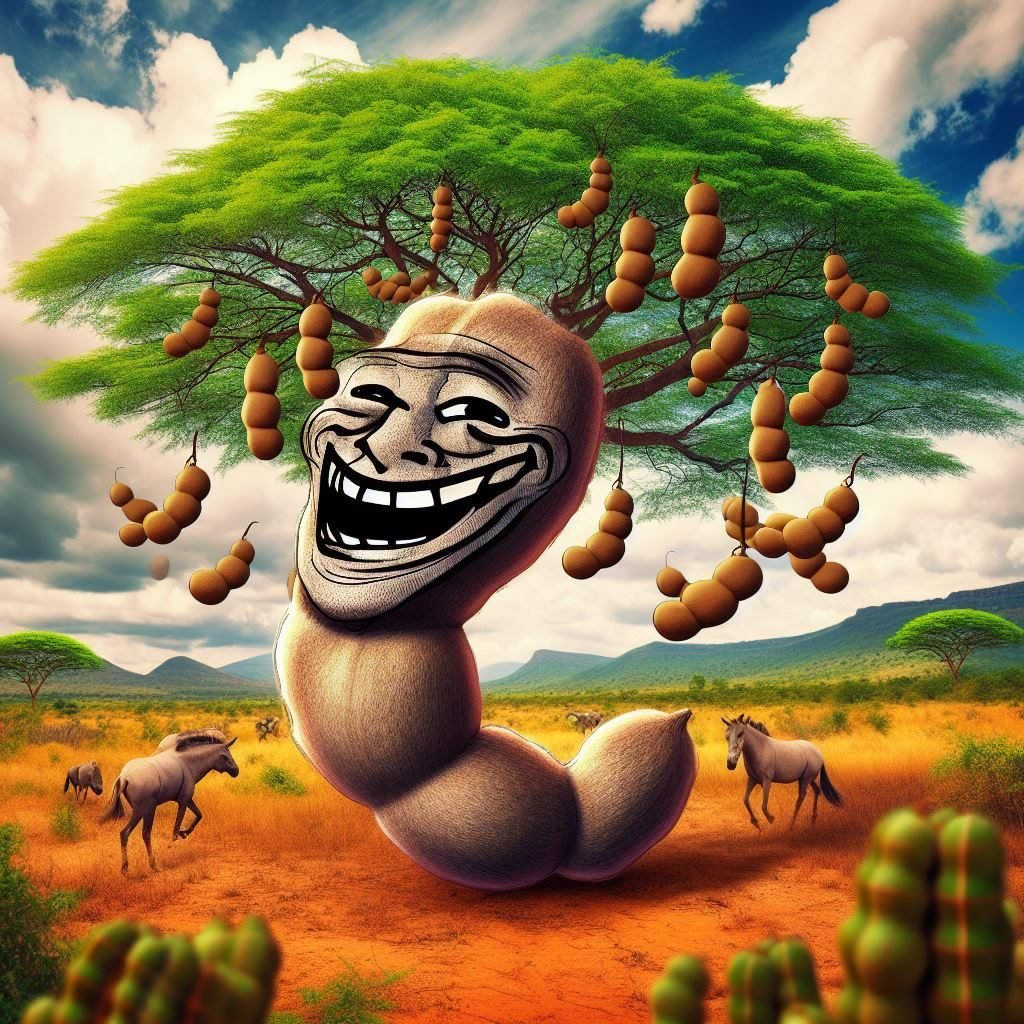
The Tamarind has been feeding and delighting Zambians for centuries. Sweet, sour, medicinal, nutritious, and economically valuable — it's no wonder this tree is so loved. Plant one today and your grandchildren will still be harvesting from it.
Provincial Allocation
Every province in Zambia receives an equal allocation ensuring nationwide coverage.
| Province | Tamarind | Baobab | Total |
|---|---|---|---|
| Central | 100,000 | 1,000 | 101,000 |
| Copperbelt | 100,000 | 1,000 | 101,000 |
| Eastern | 100,000 | 1,000 | 101,000 |
| Luapula | 100,000 | 1,000 | 101,000 |
| Lusaka | 100,000 | 1,000 | 101,000 |
| Muchinga | 100,000 | 1,000 | 101,000 |
| North-Western | 100,000 | 1,000 | 101,000 |
| Northern | 100,000 | 1,000 | 101,000 |
| Southern | 100,000 | 1,000 | 101,000 |
| Western | 100,000 | 1,000 | 101,000 |
| TOTAL | 1,000,000 | 10,000 | 1,010,000 |
Transparency & Accountability
Every tree we plant can be registered on our digital tree tracker — a tamper-evident, verifiable record of each tree's journey from seedling to maturity. Participation in tree tracking is always subject to the planter's authorisation.
Each tree captured in the system receives a unique digital record. The information we can register and share is subject to restrictions — what is technically possible and what is legally and ethically permissible are governed separately. Our tracking programme operates within Zambian data protection frameworks and relevant international privacy standards.
View Tree Tracker →Donate from $1, or request your free seedlings today.